
When to Keep It vs. When to Let Go: Expert Rules for Decluttering
This page may contain links to Amazon.com or other sites from which I may receive commission on purchases you make after clicking on such links. Read my full Disclosure Policy
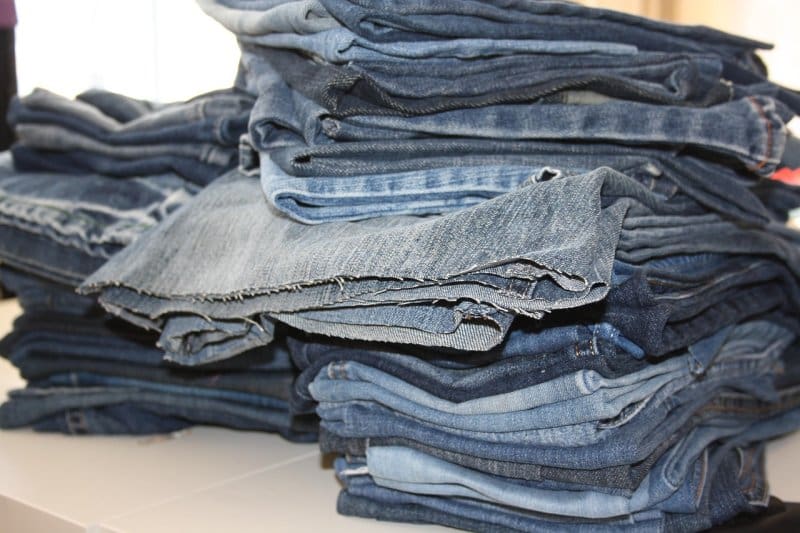
One of the hardest parts of organizing isn’t buying bins or finding the right storage system. It’s deciding what stays and what goes. Most clients don’t struggle because they’re messy. They struggle because they feel emotionally attached, worried about making the wrong decision, or afraid they’ll regret letting something go.
After working hands-on with hundreds of clients, I’ve found that simple, repeatable rules make decluttering decisions much easier for both organizers and clients. These guidelines can be used during sessions and shared with clients to declutter faster and with more confidence.
A great place to start is asking, “If you saw this in a store today, would you buy it again?” If the answer is no, it’s usually a sign that the item no longer fits the client’s current life. This works especially well for clothing, shoes, kitchen gadgets, and home décor because it shifts the focus from past purchases to present-day needs.
Another helpful reframe is focusing on the client’s current life, not their past life or a someday life. Many people hold onto items for hobbies they no longer do, clothes they hope to fit into one day, or versions of themselves they’ve outgrown. Asking, “Does this work with your lifestyle and how you live?” often helps them make a quick decision.
If a client didn’t even know they owned something until it was uncovered in the back of a closet, under a bed, or in storage, it’s usually safe to let it go. Forgotten items are rarely essential, and this rule alone can dramatically speed up sessions.
When clients have multiples of the same item, like several spatulas, black shirts, or water bottles, encourage them to keep only their favorites and the ones in the best condition. Letting go of the rest keeps things from piling up without forcing you to get rid of everything.
Broken items create both visual and mental clutter. If something has been broken for months or years and hasn’t been repaired, it’s unlikely to be fixed. Letting it go creates quick, visible progress.
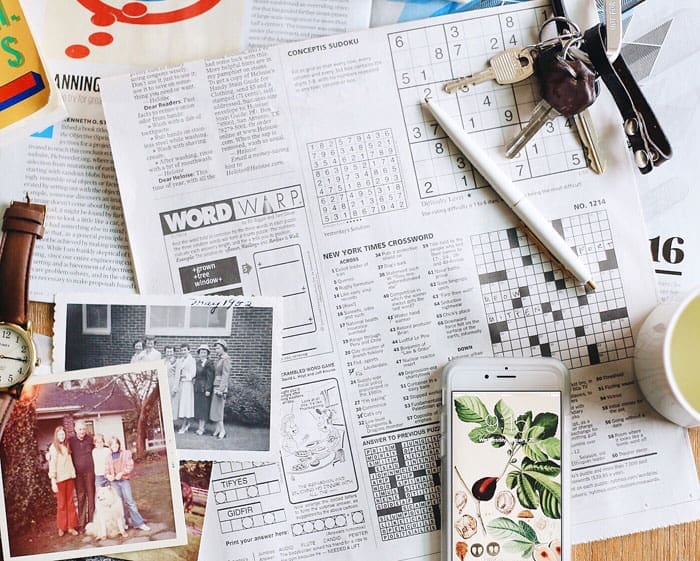
Sentimental items matter, but they still need boundaries. Setting a limit, such as one memory bin or a small keepsake box per person, allows clients to keep meaningful items without letting them take over the home. Saving papers and photos digitally can also make a big difference in how much space they take up.
For items clients truly feel unsure about, a simple maybe box works well. Place those items in a dated box and store it out of sight. If they don’t reach for anything in the box after 30 to 60 days, they’re usually comfortable letting it go.
Overall, decluttering isn’t about getting rid of everything. It’s about keeping what truly works for a client’s life and letting go of what doesn’t. When organizers lead with clear, compassionate rules, clients feel supported, tend to declutter more quickly, and leave sessions feeling successful rather than overwhelmed.
Want to talk to colleagues about decluttering strategies – or anything else?
Join the POPS Circle, where organizing and productivity professionals share ideas, experiences, and encouragement.


Putting boundaries around the letting-go decisions is a helpful way to facilitate the process. I love all of the suggestions Olivia made. Helping the client decide in advance on parameters for a specific category they are evaluating also helps minimize decision-fatigue.
As time goes by, it feels easier to let go of things. You have a more realistic view of what you’ll be doing in the future, so are less likely to keep things in case you resume a long-abandoned activity.
It’s still hard to set parameters on some categories. I have quite a few photos of my great-grandparents, who died long before I was born, and some are much better than others, but how can you let go of something that’s irreplaceable?
Great advice!
Sentimental items are tricky for me. I find that revisiting these items every year or so helps me decide if I still want them. And, if they are stored in the attic and I didn’t go there to pull the item, it is a most definite no, I do not need the item. I’m planning on visiting the attic this year; it’s time. Thanks for the reminder.
Sentimental items are tricky for me too, but I recently let go of things I’ve kept since childhood. My grandchildren have passed the age where they might enjoy them, and most of them don’t “spark joy” anymore (if they ever did – I used to keep a lot of weird stuff).
I agree with all of these “frames” and use them with clients as well. The trickiest category tends to be memorabilia, because those items cannot be replaced if you experience regret. I say, “When in doubt, keep it.” That tends to take the pressure off, and clients end up getting rid of more.
I like that approach very much!
I couldn’t agree more. So often clients will hold onto a massive collection of things related to a lifestyle they no longer lead (or one to which they once aspired but will never actually live). I had a client who had multiple shelves of cookbooks for entertaining, but as she admitted after her daughter pointed it out, she hadn’t entertained in decades and the cookbooks weren’t touched except occasionally to dust them.
The “favorite” spatula, or even “an heir and a spare” approach is often enough; people need to feel like they’re operating from a position of abundance, so picking what they love the most, rather than what they’re willing to get rid of, allows them to feel like they have “enough” of the “best” and then they can, indeed, let go of the rest.
I love that you reflect what I think we all hope for our clients, that they’ll purge what is holding them back and refresh and reorganized what truly matters to them so that they can use or display it all with pride. Compassion is definitely key. Great stuff!
Forgotten items are, indeed, a clue that something isn’t practical or essential, and items you wouldn’t buy again today are easier to toss; it’s the impractical items that seem to have the greatest hold: letters, photos, and mementos, but if they can be collated and examined last, they can often be reduced, as well.
Ooh, that makes a lot of sense – it’s easy to say I only need one large frying pan and one winter coat (for example) but not so easy to say I only need one favourite childhood book!